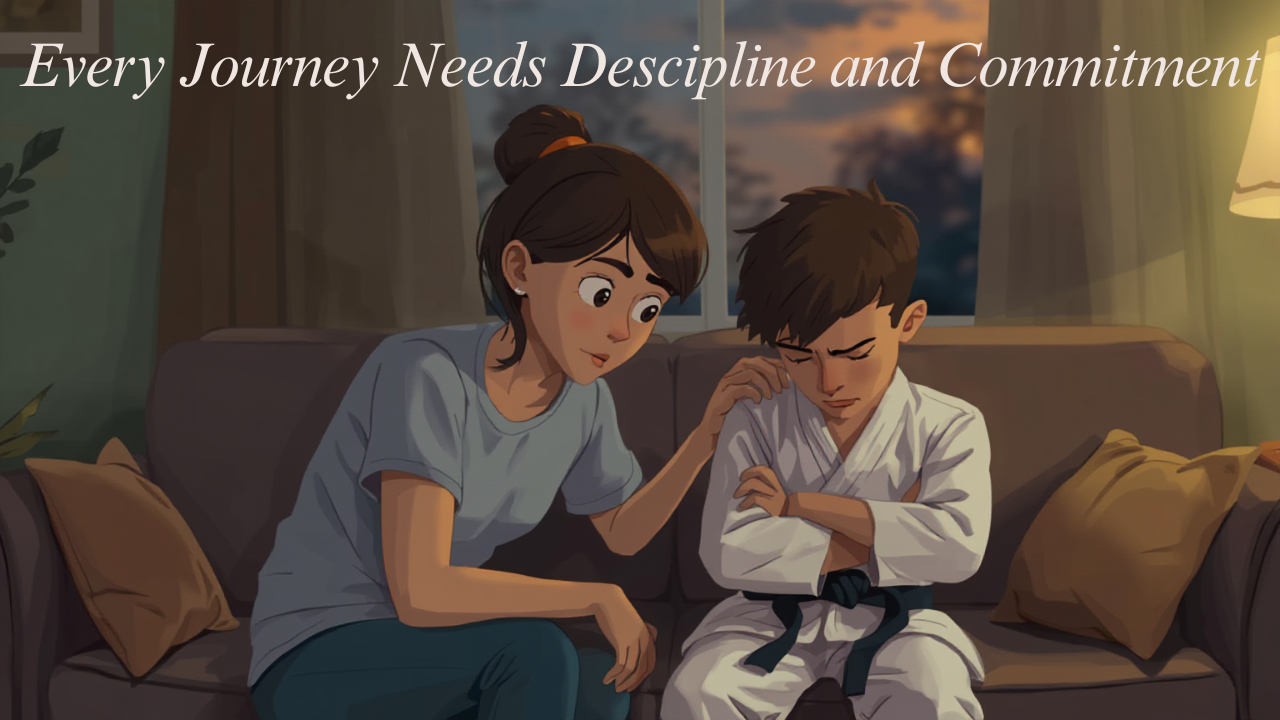
The #1 Parenting Mistake That Destroys Discipline for Families Seeking Brazilian Jiu Jitsu in the Annapolis Area
Why BJJ Fixes It Fast
If you’re a parent in the Annapolis / Anne Arundel County area, you’ve probably seen some version of this scene:
Your child starts a new activity—maybe soccer, gymnastics, or Brazilian Jiu Jitsu in the Annapolis area. The first couple weeks are exciting. They’re proud. You’re proud. Everyone’s taking pictures.
Then… the novelty wears off.
One day, on the way to class, they hit you with:
“I don’t like it anymore.”
“I’m not good at it.”
“It’s too hard.”
“Can I just stop?”
And you’re standing there as a parent doing mental math: Do I push? Do I listen? Do I protect their feelings?
You don’t want to be “that parent.” But you also don’t want to raise a quitter.
Here’s the truth—said with care and experience from years of teaching kids (and studying how kids think and react under stress) here in the Annapolis area:
The #1 parenting mistake that destroys discipline is accidentally teaching your child that discomfort is a valid reason to quit.
Not because you’re weak.
Not because you don’t care.
But because you love them—and you’re trying to reduce their stress.
Unfortunately, that relief comes with a cost.
The Mistake: Rewarding Avoidance When BJJ Gets Uncomfortable
Let’s say your child is struggling in BJJ.
Maybe they’re getting tapped a lot. Maybe they feel awkward. Maybe another kid is better. Maybe they’re exhausted after school in Annapolis or Anne Arundel County.
They say: “I don’t want to go.”
So you decide to skip class “just this once.”
And they immediately feel relief.
That relief is powerful. In child psychology, we call this negative reinforcement: when something unpleasant goes away, the brain learns the behavior that removed it.
In plain English:
Discomfort happens
Child avoids the discomfort
They feel instant relief
Brain learns: avoidance = safety
This is how kids become “quitters”… without ever intending to.
And parents don’t cause it because they’re bad parents. They cause it because they’re good parents who don’t want their child upset.
I get it. I’ve seen it a thousand times—especially with families trying to find the right Brazilian Jiu Jitsu in the Annapolis area program.
A quick personal anecdote
I remember one kid—let’s call him Evan—who was an awesome student when things were going well. Great kid. Kind. Smart. But the moment he started training with slightly tougher partners, he got frustrated fast.
One day his mom pulled me aside and said, “He says he hates it now. I don’t want to force him.”
I told her: “I’m not asking you to force him. I’m asking you to teach him how to finish what he starts—with support.”
They stayed consistent for a few more weeks.
And the funny part? Evan didn’t become a world champion overnight. That wasn’t the win.
The win was: he stopped panicking when things got hard.
That’s discipline. That’s resilience. And it transfers into everything.
What Kids Usually Mean When They Say “I Don’t Like BJJ Anymore”
Most of the time, kids aren’t saying “I hate jiu-jitsu.”
They’re saying something more specific, like:
“I hate losing.”
“I feel embarrassed.”
“I don’t understand what’s happening.”
“I don’t like being uncomfortable.”
“I’m tired after school.”
“I’m scared I’ll get hurt.”
“That one kid goes too hard.”
Kids don’t always have the vocabulary to say those things clearly, so they use the universal phrase:
“I don’t like it anymore.”
As a parent, your job isn’t to ignore their feelings.
Your job is to translate them and coach them through them—especially when you’re investing in Brazilian Jiu Jitsu in the Annapolis area to build discipline.
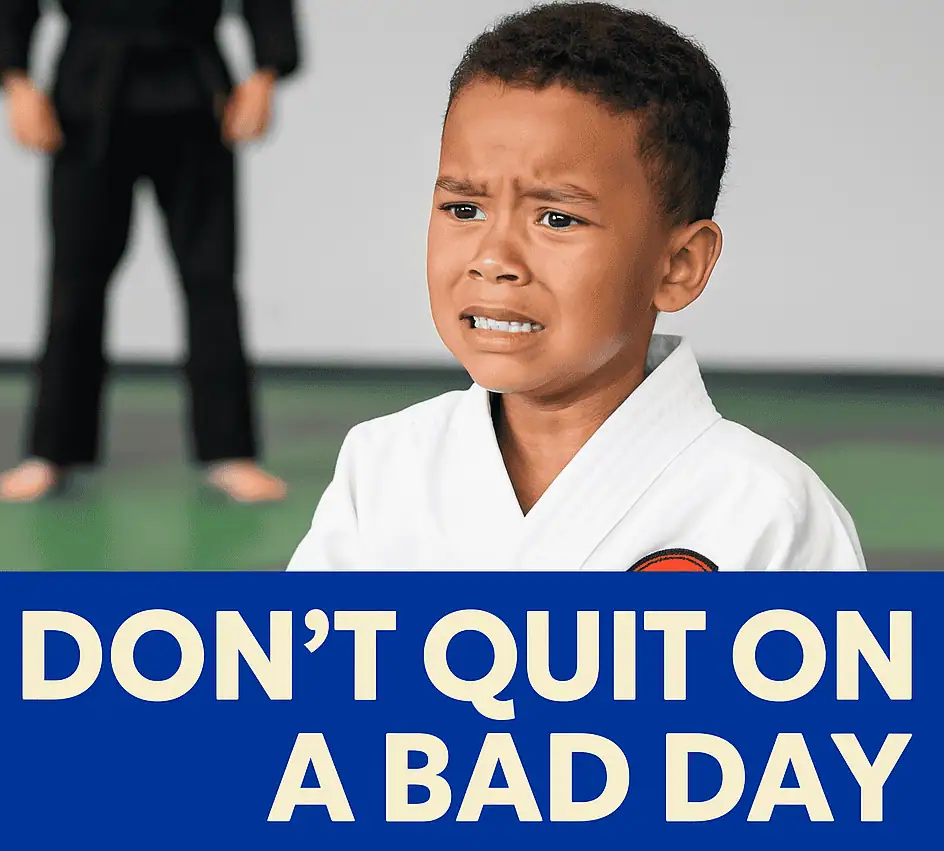
What “Quitting” Trains in the Brain
Here’s the scary part: quitting doesn’t just end an activity.
Quitting can become a pattern.
The “Avoidance Muscle”
When a child learns that discomfort = escape, they start applying that strategy everywhere:
Homework gets hard → avoid it
Friend conflict happens → avoid it
A teacher corrects them → shut down
Sports practice is tough → quit
New social situations → stay quiet, withdraw
And over time, that can evolve into anxiety.
Not because they’re broken—because they never got coached through discomfort consistently.
What discipline actually is
Discipline isn’t yelling. Discipline isn’t “being tough.”
Discipline is simply:
Doing the right thing even when it’s uncomfortable.
That’s a skill.
And skills can be trained.
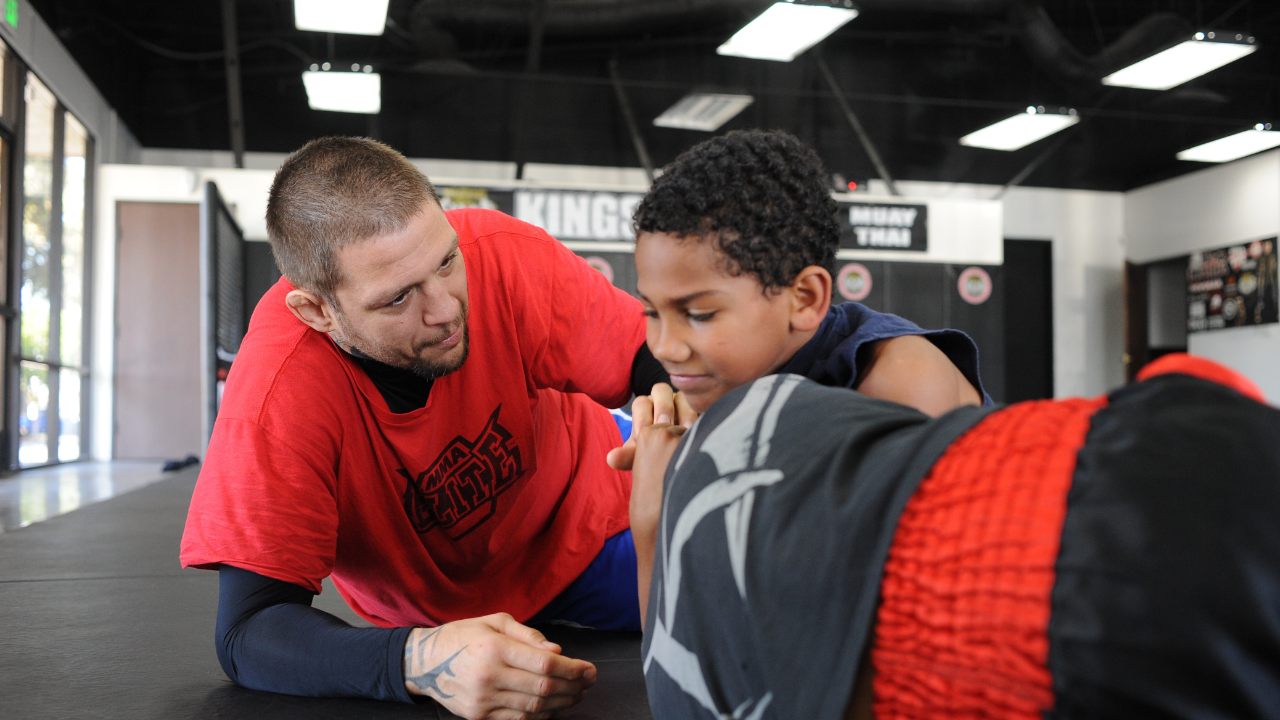
Why Brazilian Jiu Jitsu in the Annapolis Area Builds Discipline Faster Than Most Activities
A lot of activities “say” they build discipline. BJJ forces it in a safe and structured way.
BJJ gives immediate feedback
In jiu-jitsu, your child can’t fake it. If they stop paying attention, they get stuck. If they panic, they lose position. If they breathe and listen, they improve. That feedback loop is gold for child development.
BJJ builds “earned confidence”
This is a big one:
BJJ confidence is not pretend confidence. It’s not “you’re amazing” confidence.
It’s:
“I struggled. I worked. I improved. I can handle hard things.”
That’s the kind of confidence that shows up in school, friendships, and life.
BJJ teaches emotional control
Kids have to learn:
How to stay calm when they’re pinned
How to keep trying when they’re losing
How to reset and try again
You can’t teach that with a lecture. You teach it through experience—with a coach guiding them.
The 6 Most Common Reasons Kids Want to Quit BJJ
1) The “I hate losing” phase
This is normal. Many kids equate losing with “I’m not good.” Our job is to reframe:
Losing is how you learn.
2) They hit the 3-week “quit zone”
Week 1: excitement
Week 2: learning
Week 3: reality
That’s often when quitting thoughts start. It’s not a sign BJJ is wrong—it’s a sign growth is happening.
3) They get paired with someone too intense
This is why quality coaching matters. Pairing matters. Culture matters. A good program adjusts.
4) They feel socially uncomfortable
New environments are stressful. Especially for shy kids. Consistency is what makes a new place feel safe.
5) They’re tired after school
If your child is drained, consider:
A different class time
A snack + water routine before class
A short “transition ritual” after school
6) They expected instant success
Kids need to learn: mastery takes time. BJJ is a long-term skill—and that’s why it builds real discipline.
The 6 Most Common Reasons Kids Want to Quit BJJ
“I’m out of shape.”
Perfect. That’s what training is for. You don’t “get in shape” to start BJJ. You start BJJ to get in shape.
“I don’t want injuries.”
Then you need a gym that prioritizes culture, fundamentals, and smart training. Tap early. Train with people who respect the room. Don’t let your ego write checks your body can’t cash.
“I’m too busy.”
Most professionals can do 2 classes per week if it’s scheduled as a meeting. Not “when I feel like it.” Put it on the calendar. Show up. Done.
“Am I too old to start?”
No. But you do need to train like an adult. That means:
Consistent, not reckless
Technical, not ego-driven
Recovery-minded, not “grind at all costs”
What Parents Should Do Instead of Letting Them Quit
You don’t need to be harsh. You don’t need to “force” anything. You need a fair, consistent system.
The “Hard Day Rule”
Here’s a rule I recommend:
We never decide to quit on a hard day.
If your child says they want to quit in the car, after a tough class, or after getting tapped—your response is:
“Totally understand. We’ll talk about it on Saturday morning when we’re calm.” This prevents emotional quitting.
The “Short Commitment Window”
Another powerful tool:
Commit to 8–12 classes before making a decision.
This gives your child enough time to:
Learn the basics
Build comfort with the environment
Experience small wins
And it gives you enough time to see if the program is right.
A script you can use
Try this:
“I hear you. It’s hard right now.
We don’t quit when things get difficult—we learn how to work through it.
Let’s commit to 10 classes, and then we’ll re-evaluate together.”
Calm. Clear. Fair.
When Quitting Might Be the Right Call
There are times quitting is reasonable.
If your child is experiencing:
Unsafe training
A toxic culture
Constant injuries
A program with no structure
That’s not “growth discomfort.” That’s a mismatch.
A good academy will:
Communicate with you
Pair your child appropriately
Keep classes structured
Teach with safety and respect
The Light at the End of the Tunnel for Families in the Annapolis Area
Here’s what I want you to take away:
Your child doesn’t need you to be perfect. They need you to be consistent. If you want discipline and consistency in your child, the best place to start is here:
Don’t rescue them from every hard moment. Coach them through it.
Brazilian Jiu Jitsu in the Annapolis area is one of the best tools I’ve ever seen for this—because it gives your child safe discomfort, guided practice, and real progress. And if you’re in the Annapolis area, and you want to see how a structured kids program should look…
Come try a class.
Brazilian Jiu Jitsu in the Annapolis Area (What Parents Should Expect)
If you’re actively searching for Brazilian Jiu Jitsu in the Annapolis area, you’re probably not just looking for “something to do.” You’re looking for a program that genuinely helps your child (and your family) build discipline, consistency, confidence, and resilience—and you want it taught in a safe, structured way.
Here are a few real-life benefits families in Annapolis and Anne Arundel County often notice when they find the right BJJ academy:
Benefits for Kids in the Annapolis Area
Better discipline at home and school: Kids learn to follow directions, control impulses, and stay on task—because class structure demands it.
Improved confidence (without arrogance): BJJ teaches kids they can handle pressure, solve problems, and keep going even after setbacks.
Anti-bullying skills and stronger boundaries: Kids learn awareness, posture, verbal confidence, and physical skills in a controlled environment—so they feel safer and act more confident.
Healthier habits and less screen time: When kids get excited about training, it becomes a positive routine they actually look forward to.
Social growth and positive friendships: A good kids BJJ community creates teammates who encourage effort, respect, and improvement.
Benefits for Parents (Yes—You Too)
A routine that supports consistency: When your child has set class times, it creates a weekly rhythm that helps your whole household stay organized.
A stronger parent-child relationship: When parents coach kids through hard moments instead of rescuing them from discomfort, trust grows and conflict decreases.
Peace of mind: Knowing your child is learning discipline and self-defense fundamentals—while training safely—helps you feel confident about their growth.
What to Look for When Choosing Brazilian Jiu Jitsu in Annapolis
Not all programs are the same. If you want the best results from Brazilian Jiu Jitsu in the Annapolis area, look for:
A structured curriculum (not chaotic “random moves”)
Safety-focused coaching and partner pairing
Clear expectations and positive discipline
A beginner-friendly culture where kids don’t feel singled out for struggling
A path for progress so your child can see improvement and stay motivated
A Simple Next Step for Annapolis Families
If you’ve been thinking about getting your child into Brazilian Jiu Jitsu in the Annapolis area, the easiest way to know if it’s the right fit is to try a class and see how your child responds to the structure, coaching, and environment. A good BJJ academy will make the first experience welcoming, safe, and confidence-building—so your child leaves feeling proud, not pressured.
If your goal is a more disciplined, consistent, confident child, Brazilian Jiu Jitsu in the Annapolis area can be the turning point.
Conclusion
If you’re looking for Brazilian Jiu Jitsu in the Annapolis area, Team Randori Martial Arts offers a structured, beginner-friendly program designed to build real discipline, consistency, confidence, and fitness for both kids and adults. Our coaches focus on safe training, clear progression, and a positive team culture—so you or your child can stick with it long enough to see real results. Schedule a free trial and come experience what training at Team Randori feels like.
To read other Blog articles 📖 that I have published. Simply click 🖱️here Randori Jiu Jitsu Blog Articles.
If you want to take your grappling performance 💪 to the next level. Check out A1Grappler. Our specific line of Grappling 💊Nutritional Supplements, designed by Grapplers for Grapplers🥋🤼♀️ .
Interested in Brazilian Jiu Jitsu. Start in Annapolis’ premier Jiu Jitsu Academy. Our instructor staff consists of Brazilian National Champions, Pan American World Champions, Masters World Champions and North American Grappling Champions. It gets NO better than Team Randori. Click HERE TO START.
AUTHOR
Al Hogan
2nd Degree Black Belt, Owner & Founder
Professor Al Hogan is a recent inductee into the U.S. Martial Arts Hall of Fame (2024) and a two-time IBJJF Masters World Champion and Pan American Champion. He is renowned for his expertise in Brazilian Jiu Jitsu and Defensive Tactics Instruction, catering to the Jiu Jitsu enthusiast, law enforcement, military and security personnel.
👊 If you’re ready to amplify your Jiu Jitsu journey under Professor Al's tutelage, we offer you a complementary Free Trial Membership in our academy.
ABOUT US
Team Randori, located in Annapolis, MD, offers premier BJJ, and self-defense training for all ages. Our experienced International Brazilian Jiu Jitsu Federation (IBJJF) instructors lead high-quality Brazilian Jiu Jitsu & Self Defense classes for kids and adults.
2025 © Copyrights by Team Randori Martial Arts. All Rights Reserved.
