Academy Instructor
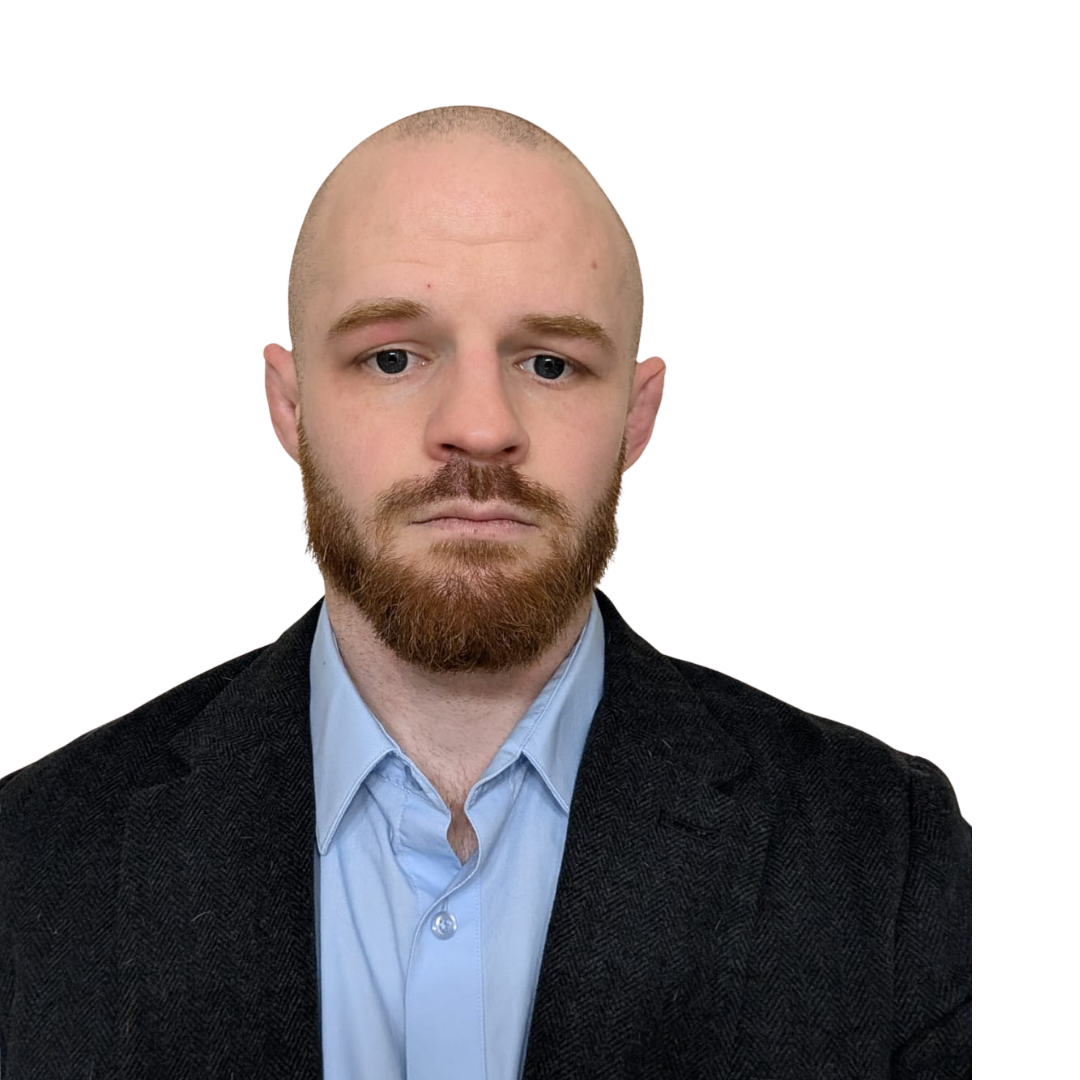
My name is Steve Rotellla, I was born in Syracuse, NY in 1990. Throughout my youth I was an athlete in basketball, lacrosse, and snowboarding. Immediately after graduating from high school in 2009, I joined the United States Marine Corps where I served for five years as a cryptologic linguist, supporting operations in the Global War on Terrorism. After completing my military service, I took on various jobs, but for the most part felt unfulfilled as I missed utilizing my analytical and competitive sides. I was exposed to jiu-jitsu through watching mixed martial arts, and I always found the complexity and effectiveness of grappling to be the most interesting part of the sport.
In 2017, I decided to begin training Brazilian Jiu-Jitsu, so I bought a gi and walked into Team Randori Martial Arts, where I was welcomed by the team. Soon after that, I met the head instructor, Carlos Eduardo Placido Lima. Each of the instructors at the academy had a significant and unique influence on me as I got my feet wet in the art. Professor Aaron showed me how much fun Jiu-Jitsu can be as a hobby, while also highlighting the effectiveness of grappling in real world combative senarios. Professor Al exposed me to various coaching strategies, and through watching him I began to pick up on how the art must be tailored differently based on the individual. I noticed how Professor Al had a uniquely analytical mind for breaking down techniques and strategies. That influence rubbed off on me as I would spend hours at a time studying jiu-jitsu at a technical and strategic level. Conveniently, Professor Al's "game" was very similar to what felt natural for me as a beginner, and he shaped a large part of my own "game." Professor Carlos instilled in me a disciplined approach to fundamentals. Unlike Al, his style was the opposite of what felt natural to me, but I learned through him to routinely focus on the weakest parts of my jiu-jitsu and become a more well-rounded practitioner. While leading by example, I began traveling with Professors Carlos and Al to compete while I had a white belt and found competition to be the most difficult, fun, and personally valuable side of the martial art.
As I gained experience and rank, I was eventually asked to help to teach classes. Learning to make something as complicated as Jiu-Jitsu make sense to a child proved to be more difficult than any of my own development, but as I continued to do it, the approach became apparent to me. Since I started with what is, in my opinion, the more difficult side of coaching, it made the eventual transition to coaching adults a breeze.
Over the next years, I became obsessed with Jiu-Jitsu and continued to train, coach and compete. I have competed at every belt level through brown, with and without the gi. I've experienced various competition organizations and rulesets, always having my share of victories and defeats. At each belt I've walked away from competitions with gold medals, silver medals, bronze medals, and no medal at all. Over time, I've realized that the days of complete failure were by far the most valuable learning experiences.
My approach to coaching is empathetic. While there are techniques and concepts that every practitioner learns, jiu-jitsu is a highly personal art. It's easy to see that wildly different body types will not be able to do everything the same way. You cannot expect a young child and a 300lb man to do all the same things. But I view the mind as an equally important variable as the body. Every person that I coach not only has a different body but a different personality, purpose, and capability. When coaching, I always take into account first the individual's intentions and goals, whether that is fitness, self-defense, defense of others, professional need, fun, character development, or competition. Once their purpose is clear, I focus on the personality and capability. Each person's mind is very different, and if I can successfully empathize and understand the way that they think, I can find a way to help them learn jiu-jitsu, making it work for them. By necessity, jiu-jitsu is usually taught to large groups together, but at every opportunity, I strive to focus on the individual as much as possible to enable them on their own journey in the hope that someday they will be able to help others in turn.